Terraces take a beating. Sun all day, rain for weeks straight, temperature swings that never stop—it all adds up. And slowly, without you even noticing, that damage starts creeping into your walls and ceilings.
Most people don’t think about terrace waterproofing solutions until there’s already a leak staring back at them. By then, you’re usually looking at a bigger repair bill than you’d like.
Whether it’s a home in Ahmedabad, an apartment in Mumbai, or an office in Bengaluru, catching these signs early can save you a lot of stress. Let’s get into what to watch for.
Why Terrace Waterproofing Is Important
Think of your terrace as the roof over your roof. It’s the first thing that takes the hit when the weather turns bad.
Once waterproofing starts wearing off, water doesn’t just sit there; it works its way into the concrete and starts breaking things down from the inside.
Good waterproofing helps with:
- Stopping leaks
- Longer building life
- Healthier walls, ceilings
- Lower repair costs
- Cleaner indoor air
India’s monsoons aren’t gentle. Weeks of nonstop rain mean waterproofing isn’t something you can put off.
10 Signs Your Terrace Needs Waterproofing Immediately
1. Water Leaks on the Ceiling
This one’s hard to miss. A damp patch shows up on the ceiling, and it looks a little worse every time it rains.
Left alone, these stains spread. They can ruin paint, damage furniture, and even mess with electrical wiring near the ceiling.
Fresh damp spots after every rain usually mean one thing your terrace isn’t holding up anymore.
2. Cracks on the Terrace Surface
A tiny crack doesn’t look like a big deal. But that’s exactly how water gets in.
Concrete expands in the heat and contracts when it’s wet or cold. That back-and-forth movement keeps stretching the crack wider, year after year.
Walk your terrace before monsoon hits. Small cracks are much cheaper to fix than the mess they cause later.
3. Damp Walls Inside the House
Ever touched a wall and it just felt… cold and slightly wet? Even with no visible leak?
That moisture is often travelling down from the terrace through the structure itself.
Look out for:
- Wet patches
- Peeling paint
- Bubbly wall texture
- Wallpaper lifting
None of these are things to just paint over and forget.
4. Paint Peeling or Blistering
If your walls keep peeling no matter how many times you repaint, the paint isn’t the problem.
Water trapped underneath is pushing the paint layer away from the wall. Repainting only hides it temporarily.
Nine times out of ten, the real source is up on the terrace.
5. White Powder Deposits (Efflorescence)
Ever noticed a chalky, white residue on your terrace walls or parapet? That’s efflorescence.
It happens when water pulls salts out of the concrete and leaves them behind on the surface as it dries.
It might look harmless, but it’s basically your terrace telling you water is moving through it constantly.
6. Mould and Mildew Growth
Black or green patches near the ceiling or in corners almost always point to excess moisture hanging around.
Mould isn’t just ugly; it can bring:
- Musty smell
- Allergy triggers
- Breathing irritation
- Poor air quality indoors
If it keeps coming back after cleaning, scrubbing it away won’t fix the actual cause.
7. Water Stagnation After Rain
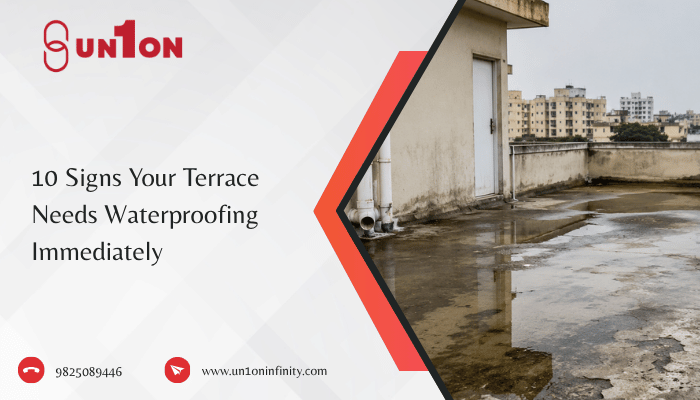
A properly waterproofed terrace should drain fast. If puddles are still sitting there hours after the rain stops, that’s a red flag.
Standing water slowly works its way into every tiny joint and crack it can find.
Drainage and waterproofing go hand in hand; one without the other rarely works long-term.
8. Loose or Broken Terrace Tiles
Tiles that sound hollow when you walk on them are usually sitting on trapped moisture underneath.
Watch for:
- Hollow footsteps
- Lifting tiles
- Cracked grout lines
Just swapping out the broken tiles won’t help much if the waterproofing underneath is still damaged.
9. Rusting Reinforcement or Exposed Steel
This is one of the more serious signs. When water finally reaches the steel bars inside your concrete slab, they start to rust.
Rusted steel expands, and that expansion cracks the concrete around it from within.
This is structural, not cosmetic. Get it checked without delay.
10. Waterproofing Older Than 5–7 Years
Waterproofing is not permanent. Its lifespan varies depending on:
- Products used
- Exposure to weather
- Quality of application
- Maintenance through the years
If you have not done any waterproofing for many years now, and there are some problems beginning to arise, then you should do an inspection before the problem worsens.
What Happens If You Ignore These Signs?
Not taking action won’t solve the problem; it will often make it worse and costlier:
- Structural repairs that are expensive
- Deterioration of the ceiling and possible roof collapse
- Electrical wiring damage
- High costs of maintenance
- Decreased value of the property
- Health problems because of moisture
Properties located in Kerala, Maharashtra, Goa, and coastal Karnataka face excessive rainfall.
Choosing the Right Terrace Waterproofing Solutions
There’s no single fix that works for every terrace. It really depends on:
- Building’s age
- Existing damage
- Roof type
- Local weather
- Foot traffic
Common options include:
- Liquid membranes
- Cementitious coatings
- Polyurethane coatings
- Acrylic coatings
- Crack sealants
A quick professional inspection usually makes it obvious which one suits your terrace best.
Why Product Quality Matters
Not even a good applicator can bring out the best in poor-quality materials.
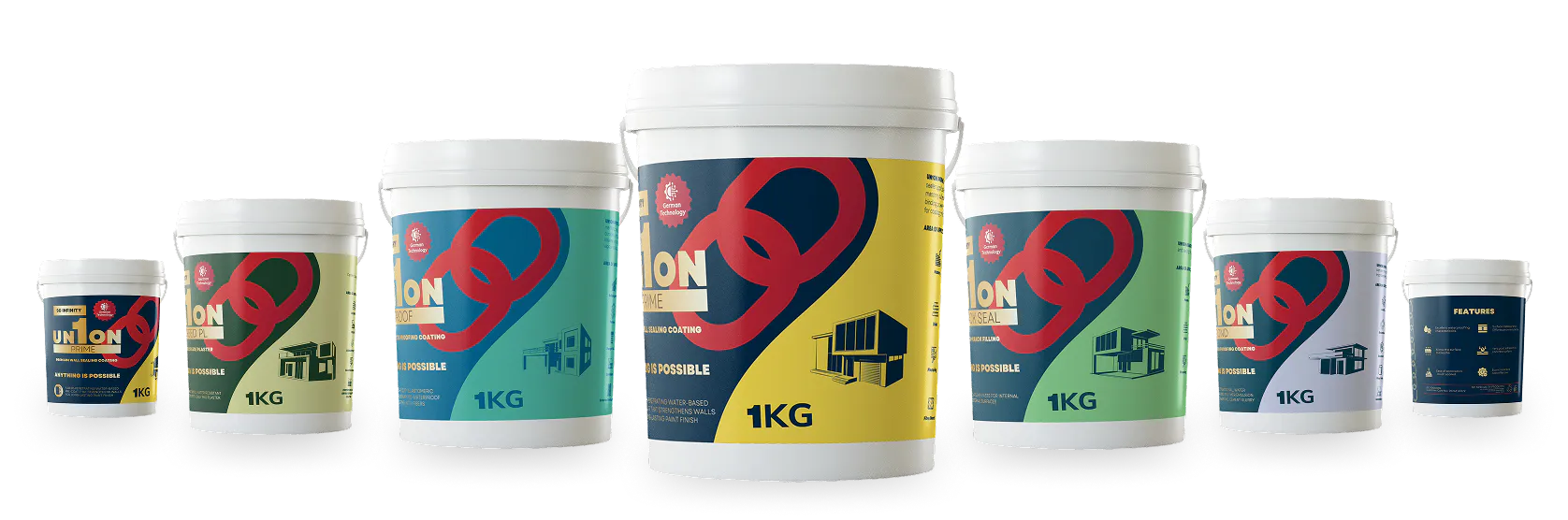
This is the reason why most contractors prefer working with proven brands of waterproofing chemicals in India, which provide:
- Consistent quality
- Better weather resistance
- Longevity
- Technical assistance
- Proven formulas
It is almost always the case that poor-quality materials lead to costly repairs sooner than expected.
Common Waterproofing Mistakes to Avoid
- Wait until there is a large leakage
- Neglect small leakages
- Decide based on cost factor only
- Omitting surface preparation work
- Disregarding water drainage
- Using unskilled labor
- Postponing inspection after monsoon season
Just a little care can help to avoid all this.
Conclusion
Damp walls, hairline cracks, peeling paint, standing water – none of these are things to brush off. They’re your terrace’s way of asking for help.
Getting the right terrace waterproofing solutions in place at the right time protects your home’s structure, saves money down the line, and just gives you one less thing to worry about during monsoon season.
If your terrace is showing any of these signs, reach out to Un1onInfinity for waterproofing solutions.
FAQs
1. When should I choose terrace waterproofing solutions?
At the first indication of leaks, damp patches, cracks or standing water. Even better, do it before the monsoon.
2. How long does terrace waterproofing last?
5 to 10 years depending on the product and how well it is maintained.
3. Does waterproofing solve existing leakages?
Yes, but the cracks and damage must be fixed before the waterproofing is applied.
4. Why choose waterproofing chemicals from India?
Their materials are designed keeping in view the Indian climate, including heavy rains, heat, and humidity, which makes a big difference to the longevity of the service.
5. Is waterproofing of the terrace expensive?
It will depend on the state of your terrace, but it is usually less expensive than having it repaired after damage occurs.