
Monsoon has a way of finding every weak spot on a roof. Standing water, hairline cracks, damaged joints, and choked drains, it all adds up if nobody checks in time.
For contractors, the job right after the rains isn’t just patching a leak. It’s figuring out why the leak happened in the first place.
That’s where a proper inspection comes in, followed by the right roof waterproofing coating applied the right way. Rush this, and the same problem returns next season.
What Should Contractors Check After the Monsoon?
Don’t just chase the water stain on the ceiling. Walk the whole roof first.
1. Look for Water Ponding
Flat terraces in Mumbai, Pune, Ahmedabad, and Bengaluru often hold water long after the rain stops.
Mark these spots and check for:
- Poor roof slope
- Sunken concrete
- Blocked outlets
- Failed old waterproofing
Fix the ponding cause before recoating anything.
2. Inspect Cracks and Joints
Give extra attention to:
- RCC hairline cracks
- Parapet junctions
- Expansion joints
- Pipe penetrations
- Corner joints
A small crack today becomes a bigger headache after a few more heat-and-rain cycles.
3. Clean Drains and Rainwater Pipes
Leaves and silt clog outlets fast during heavy rain.
- Clear every drain
- Check gutter flow
- Test with water
A blocked pipe can undo even the best repair work.
How to Choose the Right Roof Waterproofing Coating
There’s no single product that works for every roof. It depends on the material, the damage, and how much foot traffic the surface sees.
| Roof Condition | Suggested Approach |
| Minor hairline cracks | Crack filler + coating |
| RCC terrace leakage | Crack repair + waterproofing |
| High-movement zones | PU or membrane system |
| Metal roofing | Sealing + protective coat |
| Heavy deterioration | Repair the substrate first |
Always check the product’s technical sheet before applying anything; coverage, drying time, and curing period vary a lot between brands.
Step-by-Step Post-Monsoon Roof Repair
Step 1: Let the Surface Dry
Don’t coat a damp roof just because the rain has stopped.
- Check surface moisture
- Wait for dry weather
- Confirm with product specs
Some cementitious systems do allow damp application; read the label before assuming.
Step 2: Prepare the Surface
Clear out anything that will stop proper bonding.
- Loose concrete
- Dust and dirt
- Old flaking paint
- Moss or algae
A clean base decides how long your repair actually lasts.
Step 3: Repair the Cracks
- Open the crack
- Clean out debris
- Fill with sealant
- Let it cure
Bigger structural cracks need an engineer’s opinion, not just a tube of filler.
Step 4: Treat Joints and Details
The joints will fail even before the flat surface does.
- Parapet attention
- Pipe penetration sealing
- Mesh reinforcement
- Movement joint check
Step 5: Apply the Waterproofing System
After completing the curing process, install the waterproofing material to the roof as recommended by the manufacturer.
- Follow coat count
- Keep gaps between coats
- Avoid extra thickness
- Let it cure properly
More layers aren’t always better; following the spec is what actually works.
What About Metal and Shed Roofs?
Metal sheds and industrial roofs need a different eye.
- Rusted fasteners
- Damaged sheets
- Failed overlaps
- Open seams
- Corroded joints
Replace what’s damaged first. No coating fixes a rotted sheet underneath.
PU liquid membranes work well here too, provided the substrate suits the product.
Common Post-Monsoon Repair Mistakes
- Coating a dirty surface
- Ignoring standing water
- One sealant for all cracks
- Skipping curing time
- Fixing only the ceiling patch
- Mixing incompatible products
Each of these looks like a shortcut in the moment and a callback a few months later.
Practical Checklist for Contractors
Before you hand over the job, confirm:
- Cracks treated properly
- Drains fully cleared
- Ponding areas fixed
- Loose material removed
- Joints sealed well
- Right system used
- Curing time followed
- Final visual check done
FAQs
1. When should roof waterproofing start after monsoon?
After proper drying of the surface, unless it is an application tolerant to moisture; in that case, see the label first.
2. Can a coating fix structural cracks?
No. Structural cracks need proper assessment before any waterproofing goes on top.
3. Is roof waterproofing coating appropriate for RCC terraces?
Yes, there are a lot of solutions which will suit RCC terraces well based on various factors.
4. Why does water still pond after repairs?
Usually a slope issue, settlement, or a blocked outlet. Coating alone cannot resolve drainage issues.
5. How do contractors avoid leakages again?
Inspection, fixing the problem of draining, mending of cracks and joints, surface preparation, and installation of the correct system will assist.
Conclusion
Post-monsoon roof repair isn’t about slapping on a fresh coat and hoping it holds. Real fixes start with spotting ponding, cracks, and drainage issues, then applying the right roof waterproofing coating once the substrate is properly repaired.
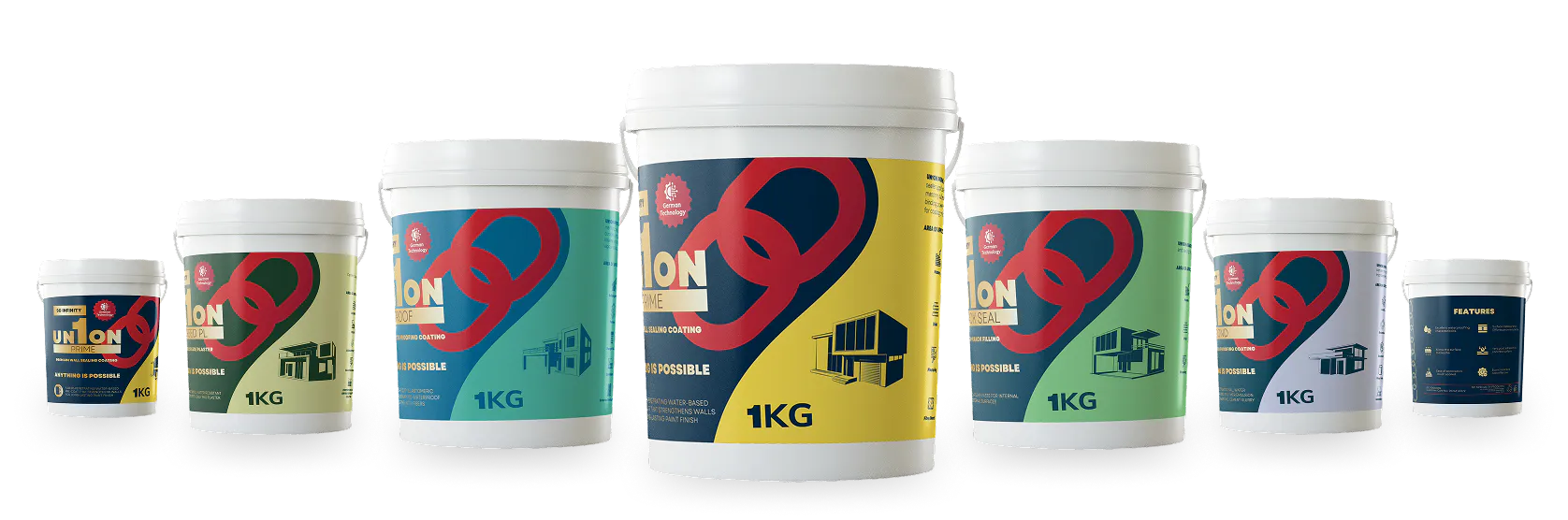
For dependable waterproofing solutions built for Indian roofs and climates, check out what Un1on Infinity offers, and pick a system that actually matches your project’s needs.