
As the summer heat starts to fade and the sky turns grey more often, it’s time to think about getting your home ready for the rains. The monsoon brings relief, but it also brings one of the most common headaches for Indian homeowners: the water leakage.
A tiny crack on the wall or a neglected terrace can quickly turn into damp patches, peeling paint, and a repair bill you didn’t see coming.
The good part is most of this is preventable. Whether you’re in Ahmedabad, Mumbai, Bengaluru, Pune, or Kolkata, a proper wall seepage treatment and a dependable terrace waterproofing solution can save your home from a lot of trouble this season.
In this guide, we’ll share practical pre-monsoon waterproofing tips that every homeowner should know.
Why Pre-Monsoon Waterproofing Is Important
Waterproofing isn’t something you do after you spot a leak. It’s about stopping water from getting into your walls and ceilings in the first place.
A quick inspection before a monsoon helps you:
- Avoid costly repairs
- Prevent damp walls
- Stop mould growth
- Protect electrical fittings
- Extend your home’s life
In most Indian cities, rainfall is heavy and lasts for weeks. Fixing a problem early is always cheaper than repairing the damage it leaves behind.
Signs Your Home Needs Wall Seepage Treatment
Seepage rarely shows up overnight. It builds up slowly, and by the time you notice it, the wall has already absorbed a fair bit of moisture.
Watch out for:
- Damp wall patches
- Peeling paint
- White powdery marks
- Musty room smell
- Black mould spots
- Hairline wall cracks
If you spot even one of these, don’t brush it off. A small patch today can turn into a much bigger, wetter problem by August.
A timely treatment stops moisture before it spreads deeper into the wall structure.
Inspect Your Terrace Before the Rain Starts
Why Terraces Leak
Terraces take the brunt of the weather all year: scorching sun, dust, and then sudden heavy rain. Over time, the waterproof layer wears thin and water starts finding its way in.
Common causes:
- Surface cracks
- Worn membrane
- Poor drainage
- Old materials
- Wrong slope
Getting the right terrace waterproofing solution sorted before monsoon can save the rooms below from ceiling leaks and stains.
Check for Cracks and Surface Damage
Go for a stroll on your terrace and have a look at these areas:
- Expansion joints
- Corner edges
- Drain outlets
- Parapet walls
- Floor tiles
A tiny crack in any one of these areas can become a huge leakage point once the rains pour continuously.
Clean the Terrace Drains
Blocked drains are one of the most underrated causes of terrace leakage. Water that can’t flow out just sits there, adding pressure on the surface below.
Clear out:
- Dry leaves
- Dust and mud
- Plastic waste
- Moss patches
This is a five-minute job that saves you a lot of grief later. Honestly, it’s one of the easiest things on this list to just get done.
Protect Exterior Walls from Rainwater
Exterior walls face rain and sun almost every single day, so they wear out faster than you’d think.
Check for:
- Cracks near windows
- Damaged plaster
- Loose sealant
- Broken coating
A good wall seepage treatment usually includes crack repair, a waterproof coating, and sealing the joints that let water sneak in.
Don’t Forget Windows and Doors
Water often enters through gaps you’d never expect around window frames and door edges.
Look for:
- Worn rubber beading
- Frame gaps
- Cracked silicone seal
Replacing old sealant here is cheap and quick, but it stops a surprising amount of water from getting inside.
Choosing the Right Terrace Waterproofing Solution
Not every terrace needs the same fix. It depends on things like size, age of the building, existing damage, and how heavy your local rainfall usually is.
Common waterproofing methods:
- Liquid coatings
- Cement-based systems
- Polyurethane coating
- Acrylic membranes
- Waterproof screed
If you’re unsure which one suits your home, a professional inspection is worth it. Guessing here often means redoing the work in a year or two.
Waterproof Your Tanks and Bathrooms Too
Most homeowners focus only on the terrace and forget the internal water sources sitting right inside the house.
Check these too:
- Overhead tanks
- Underground tanks
- Bathroom floors
- Shower areas
- Pipe joints
A slow leak from a pipe joint can cause the same kind of wall damage as rainwater, just quietly, over months.
Roof Joints and Expansion Gaps Need Attention
Roof joints expand and contract with temperature changes throughout the year. This constant movement makes sealants crack and lose their grip over time.
Redoing the sealant before monsoon keeps the joint watertight and stops leaks before they start.
Trim the Trees Near Your Terrace
Overhanging branches cause more trouble than people realise.
They can:
- Block drainage
- Damage coating
- Drop leaves fast
- Trap water
A bit of trimming before the season starts means less cleanup and fewer surprises once it starts pouring.
Get a Professional Inspection Done
A visual check tells you a lot, but professionals catch things you’d easily miss like moisture trapped under the surface or a membrane that’s worn out from the inside.
They typically check:
- Moisture levels
- Structural cracks
- Membrane condition
- Drainage flow
- Leak sources
For older homes especially, an annual check before the monsoon is money well spent.
Common Waterproofing Mistakes to Avoid
- Ignoring small cracks — they rarely stay small once the rain starts
- Buying cheap material — it often fails after just one season
- Delaying repairs — costs go up the longer you wait
- Skipping drain cleaning — even great coating fails if water just sits there
- DIY patchwork on big leaks — surface fixes rarely solve the real problem
Final Thoughts
Getting your home ready before the rains isn’t complicated; it just needs a bit of attention at the right time. A proper inspection, some appropriate repairs, and a good choice of waterproofing solutions will keep your home protected from a troublesome monsoon season.
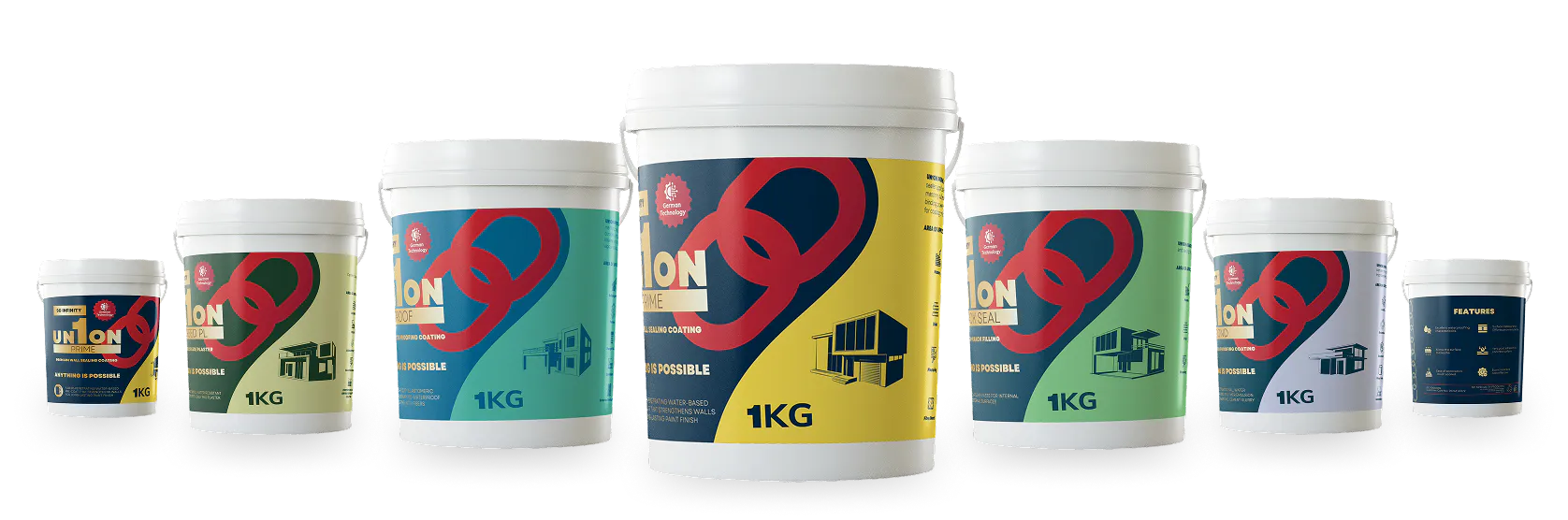
In case you are looking for waterproofing solutions to protect your home from a monsoon, then contact us at Un1onInfinity to get a solution that will keep you safe from all those rains.
FAQs
1. What’s the best time for wall seepage treatment?
Before monsoon, ideally in summer, when walls are dry and repairs get enough time to cure properly.
2. Which terrace waterproofing solution lasts longest?
It depends on the material and how well it’s applied. Polyurethane, acrylic, and cement-based systems all last well when done right and maintained regularly.
3. Can waterproofing fix an existing leak?
Yes, but only if the actual source is found first. Just painting over a damp patch won’t solve it for long.
4. How often should terraces be inspected?
Once a year before the monsoon is a good rule. Older buildings may need checks more often.
5. Is waterproofing really worth the cost?
Yes. A good wall seepage treatment and the right terrace waterproofing solution cost far less than fixing structural damage later.